SERVICES I Scleroderma
Overview
Scleroderma (Systemic Sclerosis) is a group of uncommon autoimmune conditions that cause the skin to harden and tighten. It may also result in issues with the internal organs, blood vessels, and digestive tract. While scleroderma remains incurable, it's important to know that there are treatments available to slow the progression of the disease, alleviate symptoms, and enhance the patient’s quality of life.
Common Signs of Scleroderma
The symptoms of scleroderma can vary significantly from person to person, depending on the areas of the body most affected. For instance, most individuals with scleroderma encounter issues with their skin. The initial areas of the body affected are typically the face, hands, fingers, and feet.
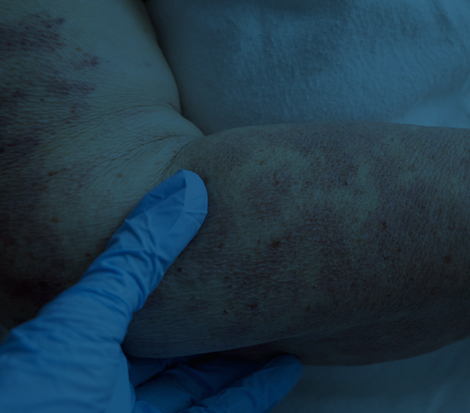
It's important to note that skin thickening is a common occurrence in certain parts of the body, such as the lower legs, thighs, chest, upper arms, forearm, and abdomen. Because of skin tightening, the colour of the impacted regions of skin may change, becoming darker or lighter, and may appear shiny. Also, tiny red spots (telangiectasia) may form on the face and hands.
Raynaud's phenomenon is a common occurrence in those with scleroderma. It causes numbness and pain in the digits and affects their colour, turning them white, blue, or red. The condition flares up, causing blood vessels in the extremities to restrict in response to cold or stress.
Digestive symptoms may also occur when scleroderma affects parts of the digestive system, like the rectum and oesophagus. Symptoms such as the following vary, depending on the regions of the digestive system most affected:
- Diarrhoea or constipation
- Bloating
- Trouble swallowing
- Heartburn
Treatment for Scleroderma
Despite the fact that scleroderma is incurable, there are numerous treatment options available to halt its progression. The choice of treatment depends on the areas of the body most affected. Dr Myburgh, a trusted healthcare professional, will carefully evaluate your medical history and symptoms to create a personalized treatment plan that is best suited for you.
FAQ
Yes, the condition, especially systemic sclerosis, is known to progress over time.
Yes
Usually, the condition occurs due to an overproduction of collagen that accumulates in the body’s tissue.